Epigenetic skincare explores how lifestyle and environmental factors—like UV exposure, pollution, stress, sleep, and nutrition—can influence the “on/off” signals that regulate skin function. This category covers science-backed ingredients and routines designed to support healthy gene expression patterns for firmer, brighter, more resilient-looking skin over time.
This section is written in collaboration with an epigenetics-focused skincare brand Idunn’s Apple.
Loss of elasticity is one of the most recognizable signs of skin aging. As skin becomes less firm and slower to return to its original shape, declining levels of collagen and elastin are often considered the primary causes. Idunn’s Apple proposes that the problem may involve more than the gradual loss of these structural proteins. Changes in epigenetic regulation may also affect how efficiently skin cells produce, organize, and maintain collagen and elastin. Epigenetics and Skin Aging Epigenetics refers to [more…]
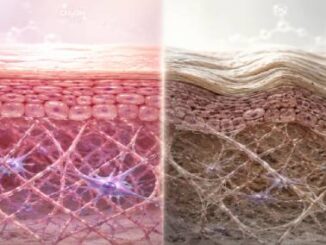
Skin aging is often described as a normal part of getting older. With time, the skin naturally becomes thinner, cellular renewal slows, collagen levels decline, and fine lines become more visible.But not all skin aging is simply the result of time. A key distinction in skin science is the difference between chronological aging and accelerated skin aging. Chronological aging happens gradually as part of the body’s normal biological timeline. Accelerated aging occurs when environmental and lifestyle stressors cause the skin [more…]
Age is usually counted in birthdays, but biology does not always follow the calendar. Two people can be the same chronological age but show very different signs of skin aging. One may have smoother, more resilient skin, while another shows earlier wrinkles, dryness, uneven tone, or loss of elasticity. This difference points to the concept of biological skin age: how well the skin functions at the cellular and molecular levels. Like other aspects of aging, skin aging is shaped not [more…]
Skin aging is commonly divided into two categories: intrinsic aging, which reflects the natural decline of cellular function over time, and extrinsic aging, which results from environmental stressors such as UV radiation, pollution, oxidative stress, and lifestyle factors. While these categories describe the sources of aging-related damage, they do not fully explain the molecular mechanisms that cause skin cells to progressively lose their youthful repair capacity. One emerging proposed concept is skin epigenetic hydroxylation incompetence, or SEHI. This idea suggests [more…]
As skin ages, it may become more sensitive to its environment. A small amount of sun exposure can cause redness more quickly. A product that once felt gentle may suddenly feel irritating. Dryness, uneven tone, inflammation, or slower recovery may also become more noticeable after stress, weather changes, or environmental exposure. These changes are often treated as surface-level skincare concerns, but they may also reflect deeper biological shifts. Epigenetic mechanisms help regulate skin homeostasis, regeneration, senescence, and both natural and [more…]
Two people can be the same chronological age, yet their skin may appear to age at very different rates. One person may develop fine lines, dryness, uneven pigmentation, or slower wound healing earlier than expected, while another may show these changes more gradually. This difference is often described as accelerated skin aging. Rather than being a separate process, it reflects a faster progression of the same biological changes seen in normal skin aging. These changes are shaped not only by [more…]
Your skin is often the first place where aging becomes visible. Fine lines, dryness, uneven tone, and slower healing can appear long before other signs of aging are noticeable elsewhere in the body. But these changes are not only happening at the surface. Beneath the visible signs of aging, skin cells undergo molecular changes that affect how they function over time. One important change involves DNA methylation, an epigenetic process that helps regulate gene activity. Research suggests that DNA methylation [more…]
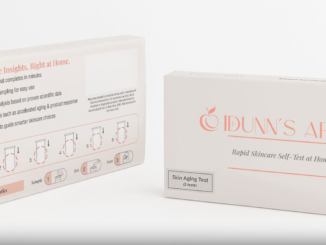
Skincare has been moving steadily away from one-size-fits-all routines and toward measurement-led personalization. One reason is a growing recognition that chronological age does not always match biological indicators of skin condition. Reviews of intrinsic and extrinsic aging factors highlight how UV exposure, pollution, lifestyle, metabolism, and genetics can shift how skin looks and functions over time. Against that backdrop, at-home testing tools are emerging to help consumers quantify skin-aging signals rather than relying only on visible changes. One framework being [more…]
Consumers often describe a familiar problem: skin that seems to lose firmness, glow, and smoothness earlier than expected, even with consistent use of serums and creams. Researchers and brands typically group these concerns under “accelerated skin aging” — a pattern where visible aging signs appear or progress faster than a person’s chronological age might suggest. As “epigenetic skincare” grows as a theme across the industry, it has also drawn skepticism, mainly because epigenetics is frequently used as a broad label [more…]
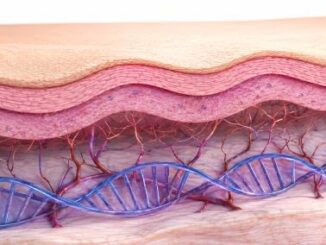
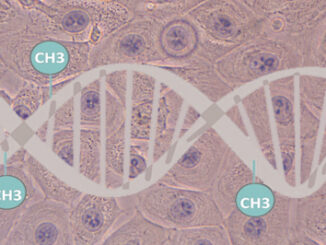
Epigenetics refers to the modifications of DNA by adding chemical tags, which switch genes on and off without altering the underlying DNA sequence. This process, known as epigenetic regulation, occurs in every person and changes throughout their life. Notably, skin aging, health, and beauty are influenced by environmental interactions, and these changes are governed by epigenetics rather than genes alone. Thus, epigenetic regulation is a pivotal factor in controlling one’s skin aging, health, and beauty status, offering dynamic and reversible [more…]