How Aging Makes Skin More Sensitive Through Epigenetic Changes

May 26, 2026 WhatIsEpigenetics

As skin ages, it may become more sensitive to its environment. A small amount of sun exposure can cause redness more quickly. A product that once felt gentle may suddenly feel irritating. Dryness, uneven tone, inflammation, or slower recovery may also become more noticeable after stress, weather changes, or environmental exposure. These changes are often treated as surface-level skincare concerns, but they may also reflect deeper biological shifts. Epigenetic mechanisms help regulate skin homeostasis, regeneration, senescence, and both natural and [more…]


Fathers’ Teenage Weight May Leave an Epigenetic Mark on Future Children

May 19, 2026 Natalie Crowley

A father’s health before conception may play a larger role in a child’s future biology than once thought. While much attention has traditionally focused on maternal health during pregnancy, growing research suggests that a father’s early-life experiences may also influence the next generation through epigenetic changes. A study from researchers at the University of Southampton and the University of Bergen found that boys who became overweight during early adolescence had children with epigenetic markers linked to obesity, asthma, and low [more…]

Why Skin Aging Can Progress Faster Than Expected

May 12, 2026 WhatIsEpigenetics

Two people can be the same chronological age, yet their skin may appear to age at very different rates. One person may develop fine lines, dryness, uneven pigmentation, or slower wound healing earlier than expected, while another may show these changes more gradually. This difference is often described as accelerated skin aging. Rather than being a separate process, it reflects a faster progression of the same biological changes seen in normal skin aging. These changes are shaped not only by [more…]

DNA Methylation Dynamics in Aging Skin

May 5, 2026 WhatIsEpigenetics

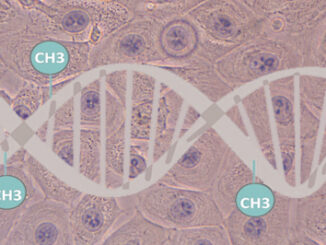
Your skin is often the first place where aging becomes visible. Fine lines, dryness, uneven tone, and slower healing can appear long before other signs of aging are noticeable elsewhere in the body. But these changes are not only happening at the surface. Beneath the visible signs of aging, skin cells undergo molecular changes that affect how they function over time. One important change involves DNA methylation, an epigenetic process that helps regulate gene activity. Research suggests that DNA methylation [more…]

WIE-logo-icon

If you like reading our articles…

Join our e-newsletter! Stay up-to-date with our weekly posts on epigenetics and health, nutrition, exercise, and more.