
The Epigenetic Clues Behind Biological Skin Age: Why Skin Can Look Older Than Its Years

June 30, 2026 WhatIsEpigenetics

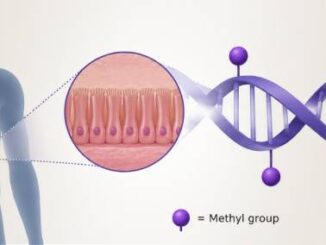
Age is usually counted in birthdays, but biology does not always follow the calendar. Two people can be the same chronological age but show very different signs of skin aging. One may have smoother, more resilient skin, while another shows earlier wrinkles, dryness, uneven tone, or loss of elasticity. This difference points to the concept of biological skin age: how well the skin functions at the cellular and molecular levels. Like other aspects of aging, skin aging is shaped not [more…]

How Longevity May Be Inherited Across Generations

June 23, 2026 WhatIsEpigenetics

For years, scientists have studied why some organisms live longer than others. While genes play an important role in aging, research continues to show that lifespan is not determined by DNA sequence alone. The way genes are regulated, through epigenetic marks that help turn genes on or off, may also influence how organisms age and, in some cases, how certain biological effects are passed to future generations. A study from researchers at Howard Hughes Medical Institute’s Janelia Research Campus adds [more…]

Skin Epigenetic Hydroxylation: A New Epigenetic View of Skin Aging

June 16, 2026 WhatIsEpigenetics

Skin aging is commonly divided into two categories: intrinsic aging, which reflects the natural decline of cellular function over time, and extrinsic aging, which results from environmental stressors such as UV radiation, pollution, oxidative stress, and lifestyle factors. While these categories describe the sources of aging-related damage, they do not fully explain the molecular mechanisms that cause skin cells to progressively lose their youthful repair capacity. One emerging proposed concept is skin epigenetic hydroxylation incompetence, or SEHI. This idea suggests [more…]

DNA Methylation Changes in the Aging Gut May Help Drive Cancer Risk

June 9, 2026 Natalie Crowley

The human gut is one of the body’s fastest-renewing tissues. Every few days, new cells are produced from intestinal stem cells to help maintain the lining of the gut. However, a study suggests that, with age, some of those stem cells may begin to carry an epigenetic pattern linked to important genes becoming less active. Researchers from the Leibniz Institute on Aging – Fritz Lipmann Institute in Germany, the Molecular Biotechnology Centre in Turin, and the University of Turin found [more…]

Researchers Find Violence Can Leave an Epigenetic Mark on Future Generations

June 2, 2026 Natalie Crowley

Trauma can leave lasting effects on the body and mind. But could the biological impact of violence reach beyond the people who directly experience it? A study from the University of Florida suggests it may. Researchers studying Syrian families found epigenetic differences in the grandchildren of women pregnant during the 1982 Hama massacre, even though those grandchildren had not experienced the violence. The findings offer rare human evidence that extreme stress may leave molecular marks detectable across generations. “The idea [more…]

WIE-logo-icon

If you like reading our articles…

Join our e-newsletter! Stay up-to-date with our weekly posts on epigenetics and health, nutrition, exercise, and more.